
A ceasefire announced between Israel and Lebanon has failed to bring calm to southern Lebanon, where Israeli air strikes and Hezbollah attacks continue to deepen the impact of the war.
In Saksakiyeh, a town in southern Lebanon, an Israeli air strike recently destroyed a building where a displaced family had been sheltering. Local residents said the attack came without warning. Nine people were killed, according to relatives, including several members of the same family.
The Israeli military said it had targeted Hezbollah members operating from a building allegedly being used for military purposes. It added that it was reviewing reports of civilian casualties.
The incident has become another example of how the ceasefire has struggled to stop the violence between Israel and Hezbollah, the Iran-backed Shia armed group and political movement.
Residents Say Hezbollah Is Still Seen as Protection
Southern Lebanon is widely considered the heartland of Lebanon’s Shia community, where Hezbollah draws much of its support. The area has faced repeated Israeli bombardment, while Hezbollah has continued launching rockets and drones into northern Israel and targeting Israeli troops still positioned inside Lebanon.
Across towns and villages in the south, many homes and buildings have been destroyed. Streets remain mostly empty as residents either cannot return or fear more attacks. Yet, despite exhaustion from years of conflict, many people still view Hezbollah as the only force capable of defending their land.
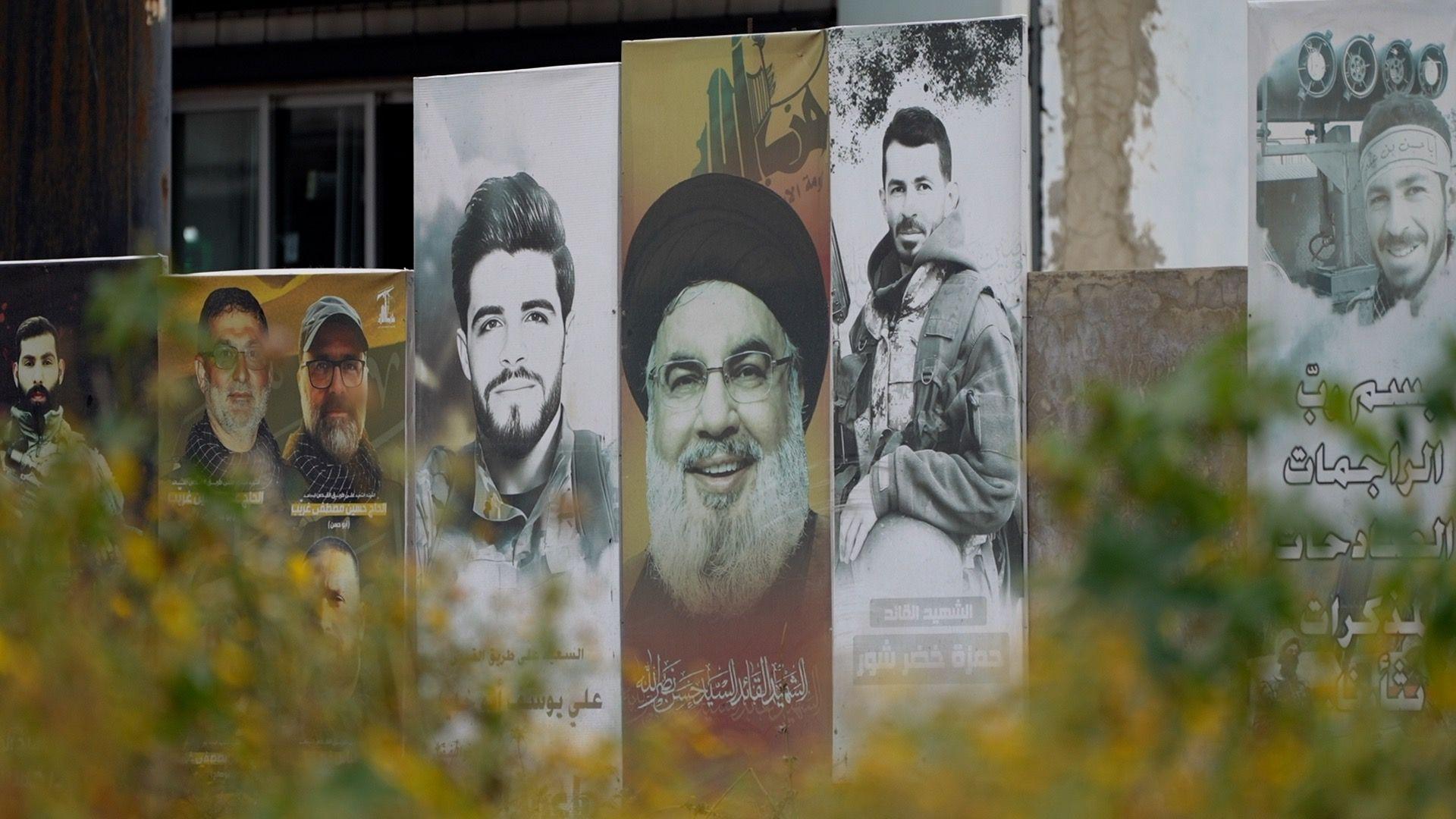
In Arab Salim, a village surrounded by hills, posters of Hezbollah fighters killed in battle hang on walls and lamp posts. Only a small portion of the pre-war population remains. Israeli drones are often heard overhead, while explosions can still be heard in the distance.
For elderly residents Fatmeh and Dunya, leaving was never an easy choice. They said they had lived through many wars and preferred to stay in their homes despite the danger. Like many others in the region, they described the situation as frightening but said they had grown used to living with uncertainty.
Daily Life Frozen by War
In many parts of southern Lebanon, daily life appears suspended. Shops are closed, houses are abandoned, and streets once filled with residents are nearly empty. Some decorations from Ramadan remain hanging, even as the war continues around them.
Hussein Haydar, a resident who stayed with his wife, son and young grandson, said his family tries to hide their fear from the child when explosions are heard. His grocery shop was damaged after an Israeli strike hit a nearby building.
Haydar said the community supports Hezbollah because it believes the group is defending them. For many in the south, Hezbollah is not seen only as an armed group, but also as part of their social and political identity.
How the Current Escalation Began
Hezbollah was founded in the 1980s during Israel’s occupation of Lebanon amid the Lebanese civil war. Since then, it has received support from Iran, including funding, training and weapons.
The latest escalation began after Hezbollah fired rockets into Israel on March 2, following the killing of Iranian Supreme Leader Ayatollah Ali Khamenei during the US-Israeli war with Iran. Israel responded with widespread strikes across Lebanon and launched another ground operation in the south.
On April 16, US President Donald Trump announced a ceasefire between Israel and Lebanon. Hezbollah was not officially part of the agreement but said it would respect the deal if Israel did the same.
The pause did not last. Within days, Israel resumed strikes, accusing Hezbollah of violating the truce. Hezbollah then restarted attacks on Israel and Israeli troops inside Lebanon.
Casualties Continue After the Ceasefire
Lebanon’s Health Ministry says at least 2,800 people have been killed since the war began, including more than 400 after the ceasefire was announced. The ministry does not separate civilians from combatants in its figures.
Israeli authorities say 18 soldiers and four civilians have been killed in the war.
Israel currently occupies a strip of land in southern Lebanon, covering around five percent of the country’s territory. In some areas, the occupied zone extends up to 10km from the border.
Israel says its goal is to create a security zone free of Hezbollah fighters, in order to protect northern communities from rocket attacks, drones and possible ground assaults. Human rights groups, however, have raised concerns that the destruction of civilian infrastructure could amount to a war crime.
Hezbollah Faces Pressure Inside Lebanon
Although Hezbollah still has strong support in the south, it is increasingly isolated within Lebanon’s wider political landscape. Lebanese President Joseph Aoun has pledged to disarm the group, though he has warned that doing so by force could worsen sectarian tensions.
Hezbollah’s weapons have long divided Lebanon. Critics accuse the group of pulling the country into wars that many Lebanese do not want, while supporters argue that Hezbollah remains necessary because Israel continues to occupy and threaten Lebanese territory.
Hezbollah leader Naim Qassem has rejected calls to surrender the group’s arsenal.
More Than an Armed Group
In Lebanon, Hezbollah is not only a militia. It is also a political party with representation in parliament and government. The movement also runs schools, hospitals and social services in areas where many residents feel the state has been absent.
For Lebanon’s Shia community, which has historically faced marginalisation, Hezbollah has become deeply connected to identity, security and survival.
In the southern city of Tyre, Hezbollah flags line main roads, and temporary cemeteries have been prepared for fighters killed in battle. The city has lived through repeated Israeli attacks over the decades, including during the 2006 war, the conflict that began in 2023, and the latest escalation.
Rida Hijazi, a resident of Tyre, said the wars had destroyed homes, businesses and livelihoods. He said many people in the south continue to support Hezbollah because they believe the group was created to defend Lebanese land.
Uncertain Future for the South
Polls suggest many Lebanese want Hezbollah to disarm. But in southern Lebanon, where Israeli attacks and occupation remain a daily reality, support for the group continues to endure.
For residents who have stayed behind, the question is not only political. It is about survival, protection and whether they can trust anyone else to defend them.
As long as the ceasefire remains broken and Israeli troops remain inside Lebanon, Hezbollah’s support in the south is likely to remain strong, even as the rest of the country debates the future of the group’s weapons.