
The Israel military has expanded its evacuation warning in southern Lebanon as its ground campaign against Hezbollah moves deeper into the country.
The Israel Defense Forces again told residents south of the Zahrani River to leave the area immediately. An Israeli military spokesperson warned that anyone near Hezbollah fighters, weapons, or facilities could be putting their life at risk.
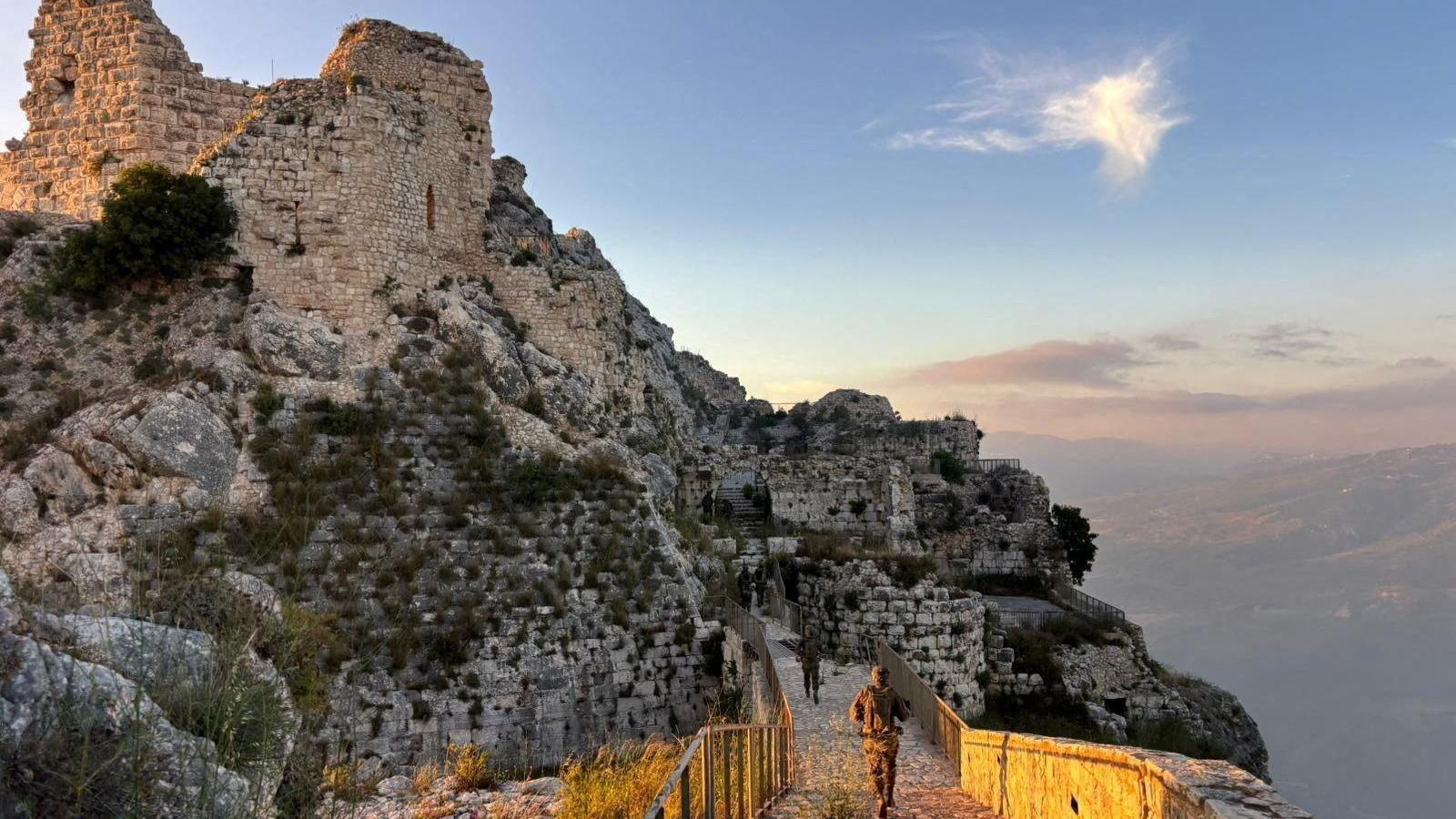
The warning came shortly after Israel confirmed that its forces had taken Beaufort Castle, a strategic site overlooking the Litani River.
Israeli Forces Push Beyond Original Line
The latest order marks another expansion of Israel’s military operation in Lebanon. In recent days, Israel has repeatedly told residents across the south to leave, suggesting that its forces are moving beyond their earlier positions near the Litani River.
The IDF said a large number of ground troops were involved and that the operation was expanding into more areas.
The advance shows that Israel’s campaign against Hezbollah is widening, with southern Lebanon facing growing military pressure and more civilian displacement.
Hospital Staff Injured in Tyre Strike
Lebanon’s Health Ministry said 13 hospital workers were injured in an Israeli air strike near Hiram Hospital in Tyre. The ministry said the attack caused major damage around the hospital area.
France has requested a meeting of the United Nations Security Council to discuss Israel’s military operations in Lebanon.
French Foreign Minister Jean-Noël Barrot criticised the expansion, calling it a serious mistake for Israel. He said nothing justified the continued military operation or the deepening occupation of Lebanese territory.
Beaufort Castle Carries Strategic and Symbolic Value
Beaufort Castle, also known for its historic role in past conflicts, sits on a high ridge above the Litani River. The fortress was built around 900 years ago and has long been seen as a key position in southern Lebanon.
Israeli Prime Minister Benjamin Netanyahu described its capture as a major shift in Israel’s policy. He said Israel had broken what he called the “barrier of fear” and was now taking action across several fronts, including Lebanon, Gaza, and Syria.
Defence Minister Israel Katz also highlighted the symbolism of the move, saying the Golani Brigade had returned to the site decades after fighting there and raised the Israeli flag.
Israel Says Move Aims to Protect Border Communities
Katz said controlling the castle and surrounding ridge was important for protecting Israeli communities near the border.
Israel says its intensified campaign is a response to Hezbollah’s increased drone and missile attacks on Israeli soldiers inside Lebanon and towns in northern Israel.
The Israeli military confirmed that another soldier had been killed. Schools in Israeli border communities were closed on Sunday as a precaution after Hezbollah launched projectiles toward the area a day earlier.
Lebanon Accuses Israel of Collective Punishment
Lebanese Prime Minister Nawaf Salam accused Israel of using a scorched-earth policy and collective punishment in southern Lebanon.
Despite the fighting, Israeli and Lebanese delegations are expected to hold another round of talks in Washington this week. Salam has said negotiations are Lebanon’s only realistic path away from the conflict.
However, Hezbollah is not part of those talks, leaving Lebanon’s government and army with limited control over the confrontation between the group and Israel.
Fighting Continues as Death Toll Rises
The conflict restarted in early March after Hezbollah fired rockets into Israel following the killing of Iran’s Supreme Leader Ayatollah Ali Khamenei.
Since then, Lebanese authorities say more than 3,300 people have been killed. Israel has reported 25 military deaths.
The capture of Beaufort Castle marks another major moment in the expanding ground offensive. With Israel pushing deeper into Lebanon, Hezbollah continuing attacks, and diplomacy struggling to keep pace, the conflict remains highly unstable.