

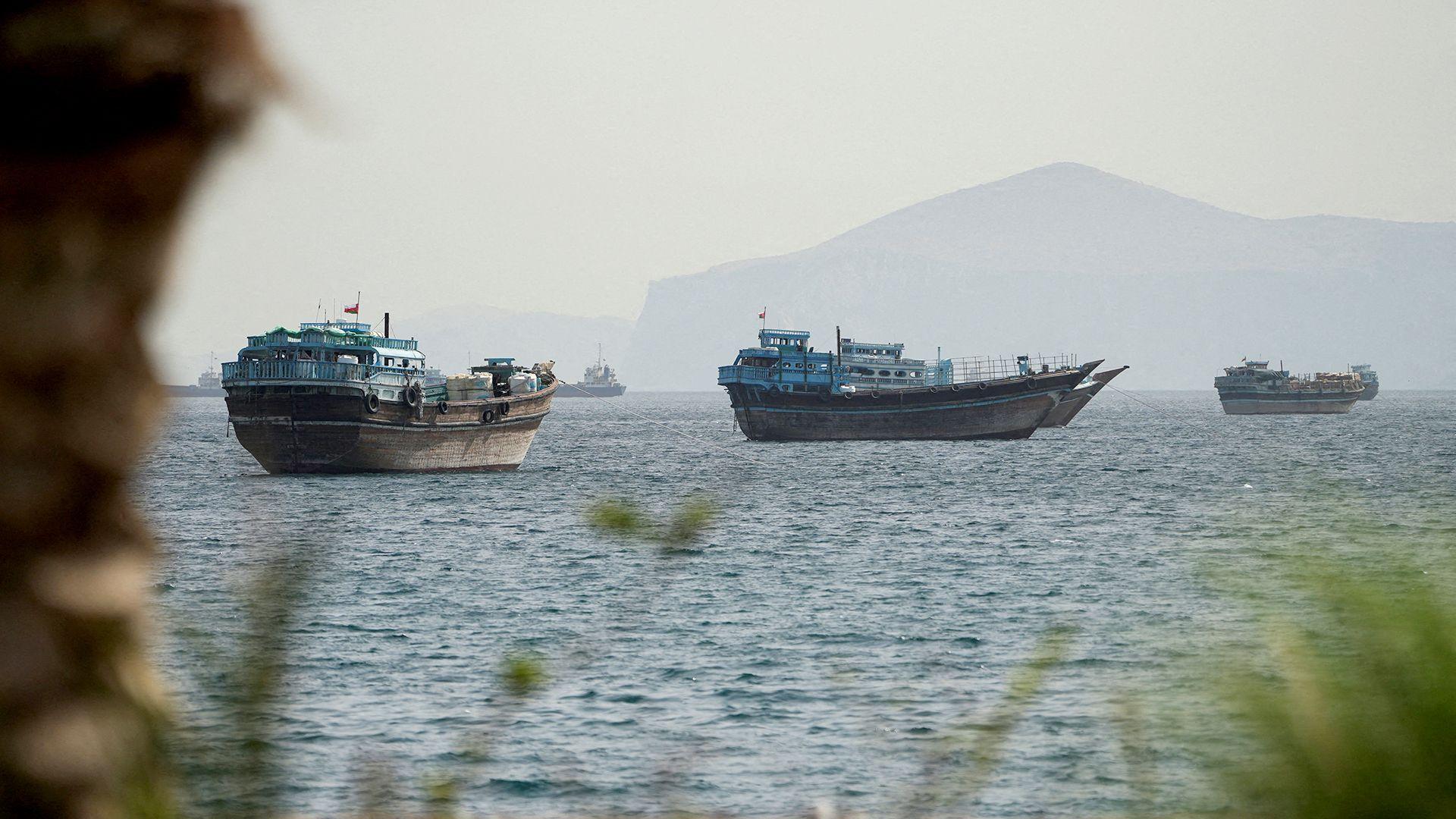
The United States says it carried out strikes on Iran military sites over the weekend, while Iran says it responded by targeting an American base. The latest exchange marks another escalation around the Strait of Hormuz, even as both sides continue talks over a possible deal to end their months-long conflict.
US Central Command said the strikes were launched in self-defence after what it called aggressive Iranian actions, including the downing of a US drone over international waters.
Iran’s Islamic Revolutionary Guard Corps said it later struck an airbase used by US forces in an attack on southern Iran.
Kuwait Reports Missile and Drone Threats
Kuwait said its air defence systems responded to hostile missile and drone attacks early on Monday. State media reported that air raid sirens were heard across the country.
Kuwait’s foreign ministry later condemned what it described as repeated Iranian attacks, calling them a dangerous escalation and a direct assault on the country.
The ministry said the attacks threatened efforts to reduce regional tensions and warned that Kuwait reserved the right to take necessary measures to defend itself.
US Says Radar and Drone Sites Were Targeted
The US military said its forces struck Iranian radar and drone command sites in Goruk, near Iran’s southern coast, and on Qeshm Island in the Strait of Hormuz.
According to Central Command, US fighter aircraft hit Iranian air defences, a ground control station, and two drones that it said posed a threat to ships travelling through regional waters.
The US said no American personnel were injured in the operation.
Iran rejected Washington’s explanation and said the strikes violated the ceasefire that came into effect on April 8.
Iran Warns Against Repeated US Attacks
The IRGC said its response targeted the base that it claimed had been used by the US to strike a communications tower on Sirik Island in the Gulf.
Iranian military officials warned that if US attacks continue, Tehran’s response would be stronger and different from previous actions.
The warning shows how fragile the ceasefire remains, despite ongoing claims from Washington that a broader agreement is still possible.
Trump Says Iran Wants a Deal
US President Donald Trump said in a Truth Social post that Iran wants to make a deal and told critics to “sit back and relax”. He said the situation would work out well and that any agreement would benefit the United States.
However, negotiations failed to move forward over the weekend. US media reported that Trump requested changes to the proposed terms of the deal.
The reported changes involve the Strait of Hormuz shipping route and the handling of Iran’s highly enriched uranium. The White House did not immediately comment on those details.
Tehran Says US Keeps Changing Demands
Iran’s foreign ministry spokesman said Washington has been changing its position and adding new or contradictory demands. He said this would naturally delay the talks.
Iran’s chief negotiator also said Tehran would not accept any agreement unless Iran’s rights were fully protected.
Iranian officials said their current priority is ending the war, not negotiating the details of the nuclear issue. Tehran has long maintained that its nuclear programme is peaceful.
Hormuz Remains Central to the Dispute
The latest proposed terms reportedly include a 60-day pause in violence and a call to reopen the Strait of Hormuz.
The strait is one of the world’s most important shipping routes, normally carrying about one-fifth of global oil and liquefied natural gas shipments. Its effective closure has pushed global oil prices higher.
Iran also says an end to the conflict in Lebanon remains an essential condition for any deal.
No Final Agreement Yet
Although the ceasefire remains officially in place, the latest attacks show that tensions between the US and Iran remain high.
Washington says its strikes were defensive, while Tehran says it is responding to aggression. Kuwait’s report of missile and drone attacks has added another layer of concern to the crisis.
For now, negotiations continue, but the path to a lasting agreement remains uncertain as military action, maritime tensions, and regional conflict continue to complicate the talks.