
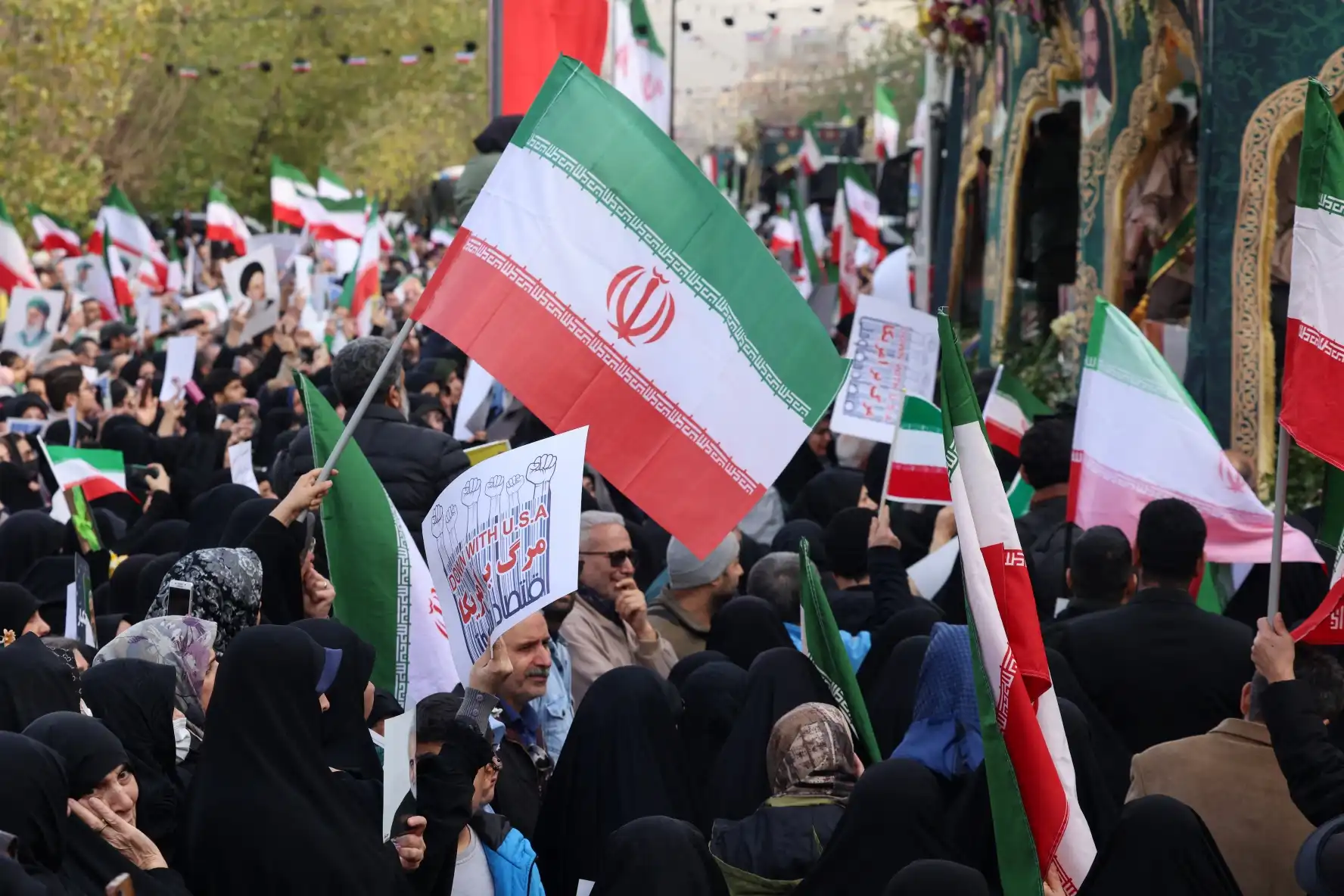
For many Iran hoping the recent war might weaken the Islamic Republic, the aftermath has brought a very different reality. According to people inside the country who spoke in the report, the regime has not only survived, but appears more deeply rooted and more determined to punish its opponents. The public space remains dominated by the imagery of dead leaders and their successors, while the state continues to project strength after a period of protests, war and ceasefire.
Among those expressing fear are Sana and Diako, a young middle-class couple in Tehran who oppose hardline religious rule. They represent a section of Iranian society that once hoped external blows to the leadership might produce political change. But as the conflict unfolded, that hope gave way to disillusionment. Sana said that while she initially felt satisfaction when senior figures were targeted, she later realised the outcome was not a new political order, but a surviving system that may now be even harsher than before. She described feeling devastated that the Islamic Republic had effectively come through the war still standing.
Opposition Voices Fear a New Wave of Repression
The report says it is difficult to measure true support for the regime, because public displays in its favour are organised and tolerated, while opposition demonstrations are banned. But interviews with activists, lawyers and independent journalists point to a deep sense of foreboding among those critical of the state. A recurring fear is that once the war fully recedes, the government will intensify its campaign of domestic repression.
According to the Washington-based Human Rights Activists News Agency, more than 53,000 people were arrested during anti-government protests in January, before the war began. Since the conflict started, many thousands more are believed to have been detained. The report also says the number of executions of political detainees has reached a level not seen in more than 30 years over such a short period, with 21 people hanged during the war. Nine were linked to the January protests, 10 were accused of membership in opposition groups and two were accused of spying.
Lawyers and Journalists Say the Climate Has Grown More Dangerous
A lawyer referred to in the report as Susan said prison conditions have become far more severe. She explained that before the war, the harshest treatment was often reserved for protest leaders or those accused of carrying weapons. During the war, she said, that severity expanded much more broadly. She fears that if the conflict ends without political change, the state may direct its anger at prisoners and detainees. In her words, people in that situation feel as though they are living on borrowed time.
Her story also shows how the crisis is widening personal and family divisions. While she is critical of the regime, her parents openly support it, and she worries they could become targets if the system were ever overthrown. The response she said she received from her anti-regime brother only deepened her anxiety, revealing how the conflict is pushing even private relationships into darker territory.
Independent journalists described an equally dangerous environment. One journalist identified as Armin said that in the current wartime atmosphere, simply reporting the facts can now lead to accusations of espionage. He said that in earlier periods, the fear was mainly of political charges, but now the risk is much greater because spying accusations can carry the death penalty in Iran’s court system. Instead of focusing on public events or protest dynamics, he said many journalists are now focused mainly on survival for themselves and their families.
Fear Replaces Public Dissent
The broader picture in the report is one of a regime that still holds the power of life and death, and a population segment that increasingly feels trapped between silence and severe punishment. Human rights activists have already documented executions of people accused of links to Israeli intelligence, while others have been arrested for allegedly passing information to foreign media. In that environment, it is not surprising that visible opposition has largely disappeared from the streets.
For many critics of the government, the ceasefire has not brought relief. Instead, it has sharpened the fear that the Islamic Republic has emerged not weaker, but more secure in its grip and more ready to retaliate against anyone seen as disloyal. That is the central feeling running through the accounts in the report: not hope after war, but dread about what may come next.