
Spain has started evacuating passengers from the MS Hondius, a cruise ship affected by a hantavirus outbreak and anchored near Tenerife in the Canary Islands. Health officials said the operation was moving smoothly, with passengers still showing no symptoms at the time of evacuation.
Health Minister Mónica García said the process was “proceeding normally” as authorities began moving passengers off the ship in carefully managed stages. The evacuation comes after weeks of concern at sea, following the deaths of three passengers linked to the rare Andes strain of hantavirus.
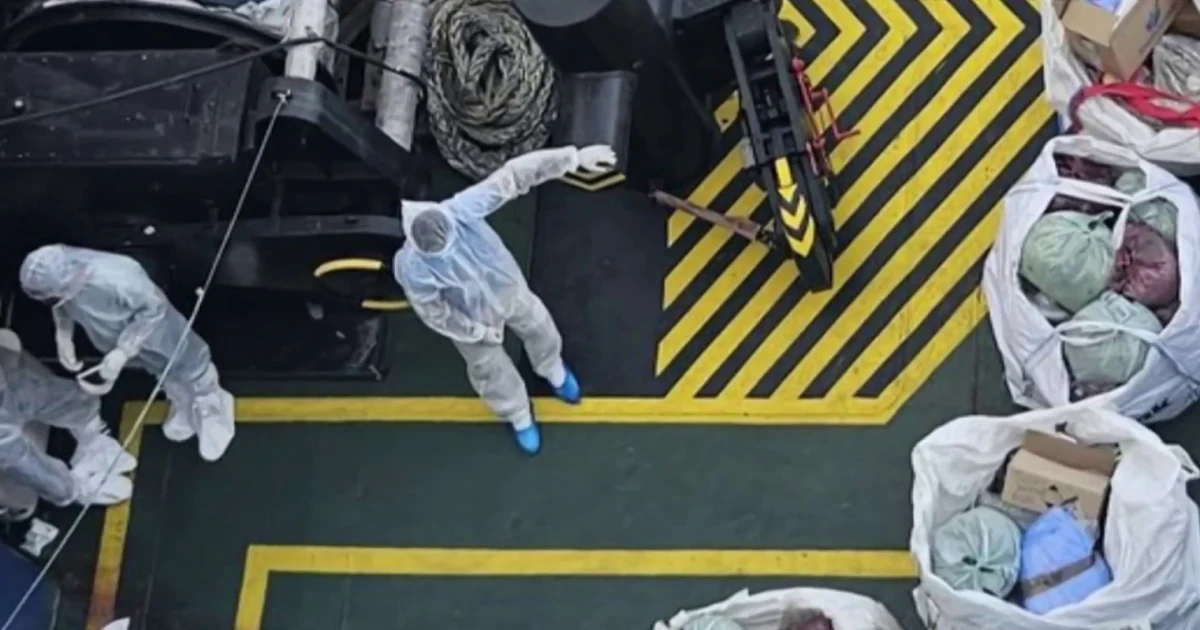
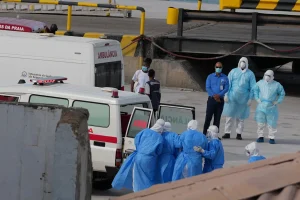
Passengers were seen wearing white medical masks while waiting on deck and near windows. The first groups were transferred by boat to land, where officials in protective suits received them before taking them by bus to the local airport.
Evacuation Arranged by Nationality
Authorities are dividing passengers into groups based on nationality before transporting them to shore. From there, they are being taken to the airport, where charter flights are arranged to return them to their home countries.
The first group to leave the ship included 14 Spanish nationals. They were followed by passengers being flown out by the Netherlands, including Dutch, Greek, and German citizens, along with some crew members.
Additional flights were also being prepared for passengers from other countries, including the United Kingdom and the United States. The final evacuation flight is expected to leave for Australia on Monday.
At the airport, passengers were given extra protective treatment before boarding. Footage showed staff helping them put on white hazmat suits over their clothing and spraying them down near the aircraft stairs.
Ship Held Offshore Under Tight Security
The MS Hondius arrived near the port of Granadilla before dawn on Sunday, roughly one month after the first passenger died on board. Although it approached Tenerife, the ship was not allowed to dock directly at shore.
Spanish authorities established a security perimeter of one nautical mile around the vessel. Military police boats patrolled nearby as medical teams boarded the ship early in the morning to check passengers and crew for symptoms.
More than 100 passengers and crew members were part of the disembarkation effort. Despite the scale of the operation, officials said the transfer had been carefully planned to reduce any risk of the virus spreading.
Hospitals Prepared for Emergency Cases
Medical facilities in Tenerife were placed on standby in case anyone from the ship became seriously ill during the evacuation. Intensive care specialists at Candelaria Hospital were prepared to respond if needed.
A dedicated isolation facility was also readied with equipment for infectious disease treatment, including testing tools and a ventilator. Protective suits, masks, and gloves had been prepared for hospital staff.
Dr. Mar Martin, the hospital’s chief intensive care doctor, said the team was ready to handle the situation. Although she noted that staff had not dealt with hantavirus before, she said they were trained to manage viral illnesses and related complications.
Spain Calls Operation “Unprecedented”
Spain’s health minister described the operation as unprecedented, given the rare nature of the Andes strain involved and the complexity of evacuating passengers from a cruise ship while preventing further spread.
García also urged the public to avoid panic. She said the risk to the general population remained low and warned that alarmism and misinformation could harm public health efforts.
Spanish nationals leaving the ship are being flown to Madrid, where they will enter mandatory quarantine at the Gomez Ulla military hospital. It remains unclear how long passengers in Spain or other countries will need to remain isolated, as the virus can have an incubation period of up to nine weeks.
WHO Praises Spain’s Response
World Health Organization Director-General Tedros Adhanom Ghebreyesus, who was in Tenerife to monitor the disembarkation, praised Spanish authorities for what he called a strong and effective response.
The outbreak has been linked to a landfill site in southern Argentina, a location known among birdwatchers. The virus is carried by rodents, and person-to-person transmission is considered rare. Even so, three passengers from the cruise ship have died.
Tedros acknowledged public concern, especially after the experience of Covid-19, but said the risk of wider spread was low because of how the virus behaves and because of Spain’s preparations.
Local Concerns Over the Ship’s Arrival
The decision to bring the ship near Tenerife caused concern among some residents and port workers. On Friday, a group of port workers protested outside the local parliament, saying they feared safety measures were not strong enough.
The operation was briefly thrown into uncertainty when Canary Islands President Fernando Clavijo said he would not allow the ship into port because the disembarkation could not be completed in one day. Spain’s central government later intervened to keep the plan moving.
Clavijo also raised concerns on television about the possibility of an infected rat leaving the ship. Health officials dismissed that scenario, saying it was not considered a risk.
Despite earlier worries, many people on the island appeared reassured by official statements that the risk remained low.
Some Crew Members to Remain on Board
Not everyone will leave the MS Hondius in Tenerife. Around 30 crew members are expected to stay on board and help return the cruise ship to the Netherlands.
For most passengers, however, the evacuation marks the end of a long and uncertain period at sea. After leaving the vessel, they now face weeks of quarantine and medical monitoring.
Conclusion
Spain’s evacuation of the virus-hit MS Hondius near Tenerife is one of the country’s most complex public health operations in recent years. Officials say passengers remain asymptomatic, the general risk is low, and strict safety measures are in place.
The outbreak has caused fear among passengers and concern among local residents, but Spanish authorities and the WHO have stressed that the response is controlled and carefully managed. With the evacuation now under way, attention will shift to quarantine, monitoring, and ensuring the rare virus does not spread further.