

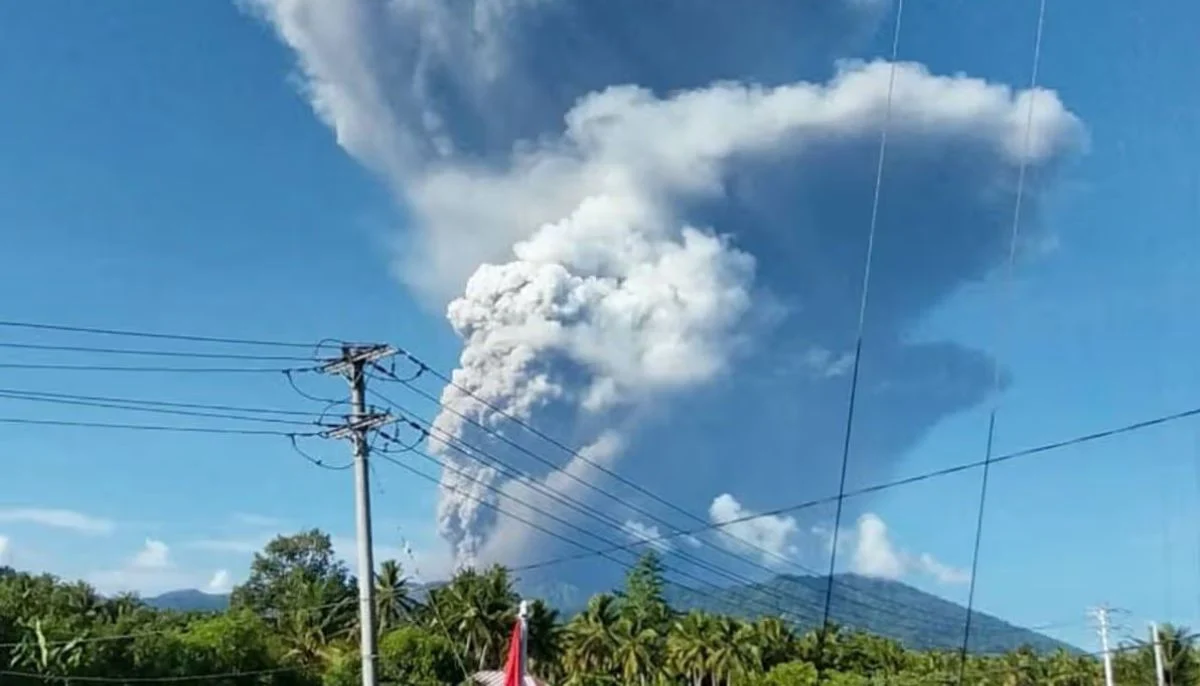
Three hikers have died after Indonesian Mount Dukono erupted on Friday morning, sending a huge column of ash high into the sky and trapping people on the mountain during an early morning climb.
The volcano, located on North Maluku island, produced an ash plume stretching about 10 kilometres into the air. The victims were part of a larger group of 20 hikers from Singapore and Indonesia who had climbed the mountain despite earlier warnings and restrictions. The rest of the group was later found by rescuers and brought down from the mountain.
Victims identified as rescue mission faces delays
Indonesian officials said the three people killed were two Singaporean men and one local woman from the nearby city of Ternate. The two foreign victims were reported to be aged 30 and 27. Authorities said the bodies were still on the mountain as of Friday, while most survivors had been evacuated and taken to hospital.
Two members of the hiking party, both working as porters, remained behind to assist rescue teams in trying to locate and recover the bodies. But the operation has been slowed by the volcano’s continuing activity, rough terrain and the force of repeated blasts from the crater. Police chief Erlichson Pasaribu said the mission towards the crater area had to be suspended at nightfall on Friday and would resume the next day.
Volcano was already under warning
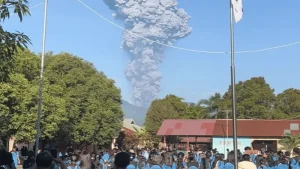
The latest eruption happened at 07:41 local time, at a moment when several people were already on the mountain. Mount Dukono has erupted more than 200 times since last March, and Indonesian officials had repeatedly warned people not to climb it because of the danger. Those warnings had been shared through social media and displayed on banners near trail entrances, but some hikers still went ahead with the trip.
Indonesia’s search and rescue agency said early discussions suggested there may have been possible negligence by tourism operators or individuals who allowed the climb to continue despite the safety notices. Authorities said they were still gathering information to build a full account of what happened.
Eyewitnesses describe growing danger before eruption
A local resident helping with rescue efforts said volcanic material was still being thrown out of the crater well into Friday afternoon. From a shelter on the mountain, he said ash and rock were continuing to erupt, making the situation even more dangerous for teams trying to reach the victims.
One guide who had been on the mountain with two clients said he believed pressure had been building inside the volcano for several days. He described the eruption as very strong and major. As he and his clients were climbing, he saw other groups near the crater, including people standing at the rim and another group using drones nearby. After hearing deep tremors, he decided to descend immediately, a decision he said helped the three of them escape safely.
Experts warn against treating active volcanoes like tourist spots
Mount Dukono is currently listed at level two on Indonesia’s four-level volcano alert system, indicating elevated activity and the need for caution. Since December 2024, Indonesia’s volcanology agency has recommended that tourists and climbers stay at least four kilometres away from the main crater because of the risk of rocks, ash and lava being thrown out.
Experts say the tragedy is another reminder that active volcanoes should not be treated as ordinary tourist attractions. One disaster specialist said social media has helped create a false sense of safety by showing successful summit videos while hiding the risks that remain present every time people climb. In reality, he warned, the danger can appear at any moment through explosive eruptions, thick ashfall, volcanic gas or ejected burning material.
The eruption on Mount Dukono has now left three people dead, others traumatised, and rescuers still working in dangerous conditions. It is also likely to renew difficult questions about why people were allowed near the crater despite repeated warnings that the mountain remained one of Indonesia’s most active and unpredictable volcanoes.