

Fear is spreading across parts of the Democratic Republic of Congo as an Ebola outbreak continues to move faster than health officials first believed. People living near the centre of the outbreak in Ituri province say the situation has become deeply alarming, with some residents describing how quickly infected people have become seriously ill.
According to officials, the outbreak has already killed 131 people, while more than 513 suspected cases have been reported in DR Congo. A death has also been recorded in neighbouring Uganda, raising concern that the outbreak is crossing borders.
WHO Warns Cases May Be Underreported
The World Health Organization has warned that the scale of the outbreak may be larger than current figures suggest. Dr Anne Ancia of the WHO said that as investigations continue, it is becoming clearer that the virus has reached more areas than first thought.
A study by the MRC Centre for Global Infectious Disease Analysis in London also suggested that many cases may not yet have been detected. Researchers said the true size of the outbreak remains uncertain and could be significantly higher than official numbers.
Residents Take Precautions Amid Limited Supplies
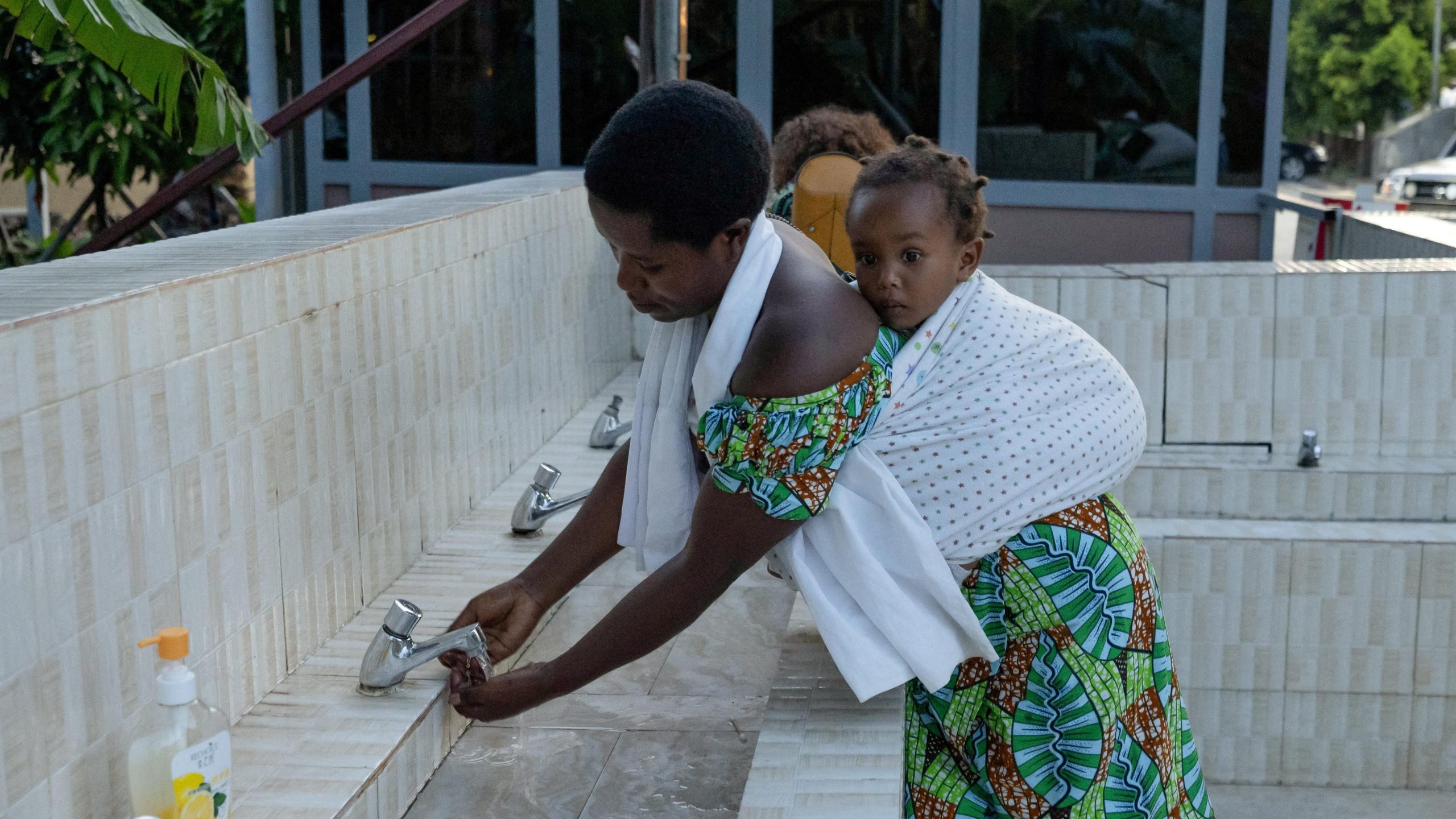
Local residents say they are trying to protect themselves by following basic safety measures, including washing their hands with clean water. However, some people say they still lack important protective supplies, such as face masks.
One resident said the community is aware of the danger but unsure how to respond if a family member or friend becomes infected. The Red Cross has also warned that Ebola can spread quickly when cases are not found early, communities lack clear information, and health services are under pressure.
Government Calls for Calm and Vigilance
DR Congo President Félix Tshisekedi has urged citizens to remain calm but alert after holding a crisis meeting. Meanwhile, WHO Director-General Tedros Adhanom Ghebreyesus said he was deeply concerned about the speed and scale of the outbreak.
Health officials fear the virus may have been spreading for weeks before it was officially detected on April 24. This delay may have allowed the outbreak to reach new areas before emergency teams could fully respond.
Insecurity Makes Response More Difficult
The outbreak is especially difficult to control because parts of eastern DR Congo are affected by insecurity and frequent population movement. Ituri province, where the outbreak began, has been described as an unstable area with many people moving between communities.
Cases have also reached South Kivu, a province already dealing with a long-running humanitarian crisis. A case has also been reported in Goma, one of eastern DR Congo’s largest cities, increasing concern among health workers.
Border Measures Increase Across the Region
Several African countries have started strengthening border checks and preparing health facilities in case the virus spreads further. Rwanda has closed its border with DR Congo, while Uganda has advised people to avoid close physical greetings such as hugging and shaking hands.
International concern has also grown after an American citizen developed symptoms and was evacuated for treatment. The US Centers for Disease Control and Prevention said it is working to evacuate others who may have been exposed.
Health Agencies Push Prevention Efforts
The WHO and partner agencies are working with governments and local communities to slow the spread of the virus. Residents are being urged to follow prevention measures and seek medical help quickly if they experience symptoms.
The latest outbreak is linked to the Bundibugyo strain of Ebola, a rare type that has caused only a few previous outbreaks. Unlike the Zaire strain, which has an approved vaccine, there is currently no approved vaccine for the strain behind this outbreak. Health officials are now evaluating whether existing treatments may help protect people.
A Growing Regional Health Threat
The outbreak may not yet be fully understood, but the warning signs are serious. With suspected cases rising, deaths already reported, and the virus reaching new areas, health agencies are racing to contain the spread before it becomes harder to control.
For communities in eastern DR Congo, the crisis has brought back fear of one of the world’s most dangerous diseases. For regional health authorities, the challenge is now clear: detect cases faster, support affected communities, and prevent the outbreak from spreading further.