

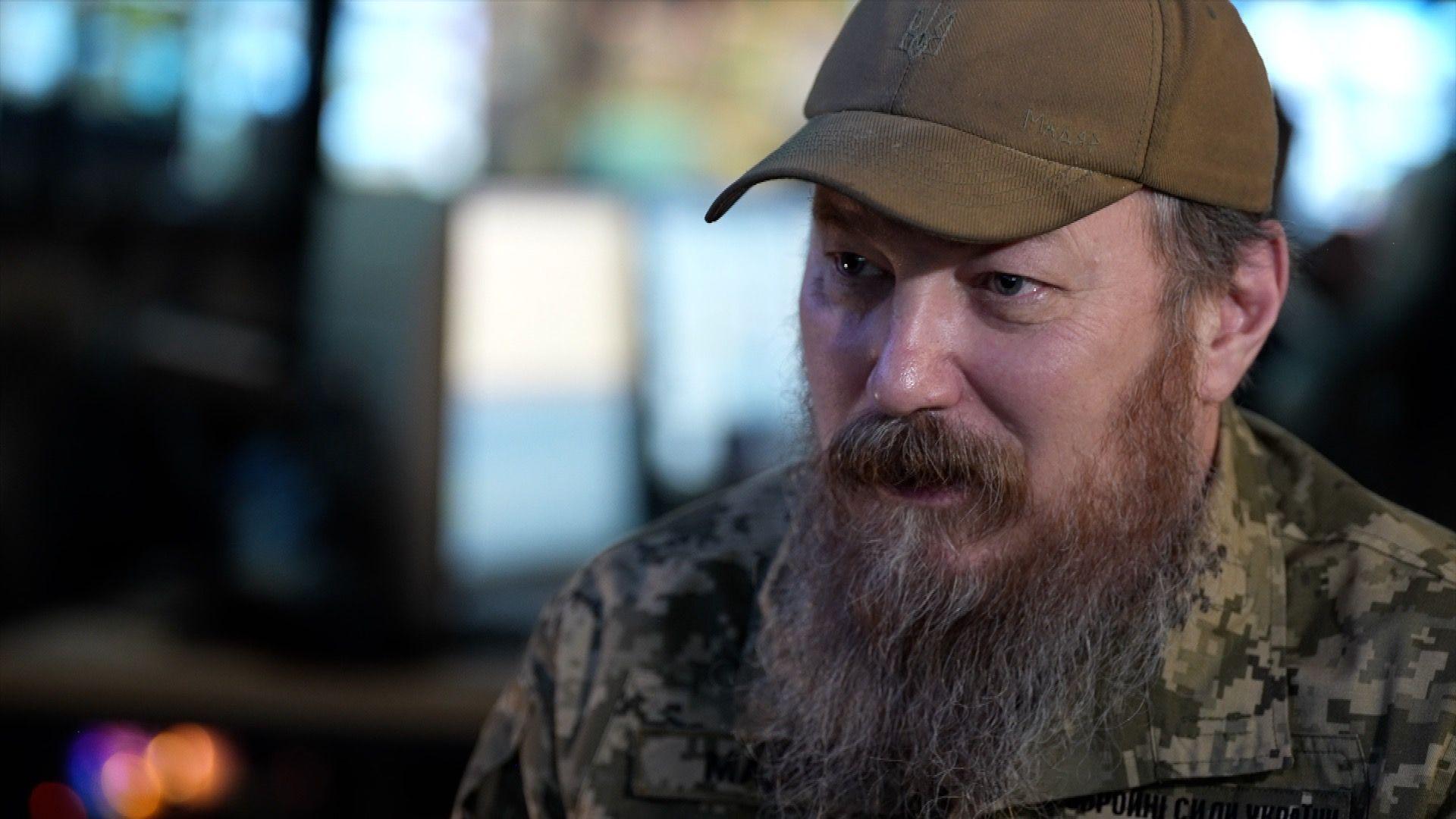
Ukraine is stepping up its long-range drone campaign against Russia, with one of the country’s top commanders saying the strikes will grow stronger and reach farther inside Russian territory.
Speaking in a rare interview, the commander of Ukraine’s unmanned systems said the goal is no longer just to defend the front line. He said Russia must also feel the war on its own soil. According to him, distances of 1,500 to 2,000 kilometres inside Russia can no longer be treated as a safe rear zone, because Ukrainian drones are now capable of reaching targets there with increasing regularity.
At a hidden launch site in eastern Ukraine, long-range drones were prepared for take-off before being fired towards Russian territory. The operation was carried out quickly, with teams aware that any delay could expose them to Russian missile strikes. The scene reflected how central drone warfare has become to Ukraine’s military strategy as the conflict grinds on.
President Volodymyr Zelensky has described such deep strikes as highly painful for Moscow, saying they have caused major financial losses in Russia’s energy sector. Those attacks have intensified in recent weeks, particularly against oil export infrastructure, as Ukraine seeks to hit key sources of Russian wartime funding.
Energy Infrastructure Becomes a Core Target
The commander said Russian oil facilities have become a priority because they help finance the war. In his view, natural resources are being turned into money that is then used against Ukraine in the form of drones, missiles and other weapons.
That thinking helps explain why oil refineries and export sites are increasingly being targeted. Ukrainian officials argue that if such facilities are helping sustain Russia’s military campaign, they become legitimate wartime objectives.
The expansion of these attacks has been helped by improvements in drone technology. Ukrainian-made systems are becoming cheaper, more effective and capable of flying much farther than before. Some drones now exceed a range of 1,000 kilometres, while others can travel roughly twice that distance.
For Ukraine, this is not only about damaging infrastructure. It is also about reshaping the battlefield by proving that Russian territory is not beyond reach.
Drone Warfare Now Plays a Bigger Role on the Front Line
The commander said his unmanned systems forces make up only a small fraction of Ukraine’s military, but now account for a large share of destroyed targets. He also claimed the unit’s own casualty rate remains extremely low compared with traditional combat branches.
Inside the underground command centre from which operations are directed, screens show live battlefield footage, strike records and real-time data from drone pilots. Every successful hit is filmed, verified and logged. The commander said this system allows the military to measure results closely and adapt quickly.
He argued that these drone forces are critical to preventing Russia from securing major battlefield gains, especially in the eastern Donbas region. He rejected the idea that Moscow can soon seize the rest of the area, calling such expectations unrealistic.
The commander, known by the call sign Magyar, did not come from a traditional military background. Before the war, he was a businessman and art collector. But after joining the fight, he became one of the most recognisable figures in Ukraine’s drone war, helping build what grew into the well-known Birds of Magyar unit.
Focus Turns to Russian Manpower
Beyond long-range strikes, the commander said another key mission is reducing Russia’s manpower advantage. As Ukraine faces growing strain in mobilising enough troops, he said drone crews have been given direct orders to kill more Russian soldiers each month than Moscow is able to recruit.
That target, he said, means exceeding 30,000 enemy casualties a month. He stated that around 30 percent of all drone strikes are now meant to hit military personnel and openly described this as a kill plan. According to him, the target has been met for four months in a row.
These claims could not be independently verified in the report, but the commander insisted that every death counted by his unit must be proven through video evidence. In the command centre, clips of such strikes were shown on screens, while some footage has also been shared on Telegram as part of a wider psychological campaign.
His language about the mission was blunt. He said pity has no place in the calculation because Russian troops are in Ukraine to destroy the country. In his view, if Ukrainian forces do not kill them, they themselves will be killed.
Morale Inside Russia Is Also a Target
The commander made clear that Ukraine’s strategy is not built around launching major new offensives or rapidly retaking vast areas of land. Instead, he described the aim as containment: stopping Russia from advancing effectively while steadily increasing the pressure.
A final part of that pressure campaign is Russian morale. He said Ukraine hopes that a rising death toll, combined with large fires at infrastructure sites far from the front, will create unrest and doubt inside Russia.
One widely shared example showed a woman in the Russian city of Tuapse crying after drone strikes damaged the area, saying she only wanted to live by the sea with her child but now everything had been ruined. For the Ukrainian commander, moments like that suggest the effects of the war may be spreading into parts of Russian society that had previously felt distant from the conflict.
His broader aim, he said, is to make more Russians question both the war and the leadership that launched it.
A War Being Redefined by Drones
Ukraine’s drone campaign is no longer simply a supporting tool on the battlefield. It is becoming a central part of how Kyiv tries to weaken Russia’s military capacity, hurt its economy and challenge the sense of distance many Russians have felt from the war.
The commander’s comments show a strategy built on three linked goals: damage the machinery that funds the war, slow Russian advances by inflicting heavy troop losses and spread psychological pressure far beyond the front line.
As the war continues, Ukraine appears increasingly determined to use drones not only as a weapon of defence, but as a way to reshape the conflict itself.